
Copyright: Eifel Tourismus GmbH, AR-shapefruitAG Copyright: Eifel Tourismus GmbH, AR-shapefruitAG Copyright: Eifel Tourismus GmbH, AR-shapefruitAG Copyright: Eifel Tourismus GmbH, Dominik Ketz Copyright: Eifel Tourismus GmbH, Tobias Vollmer
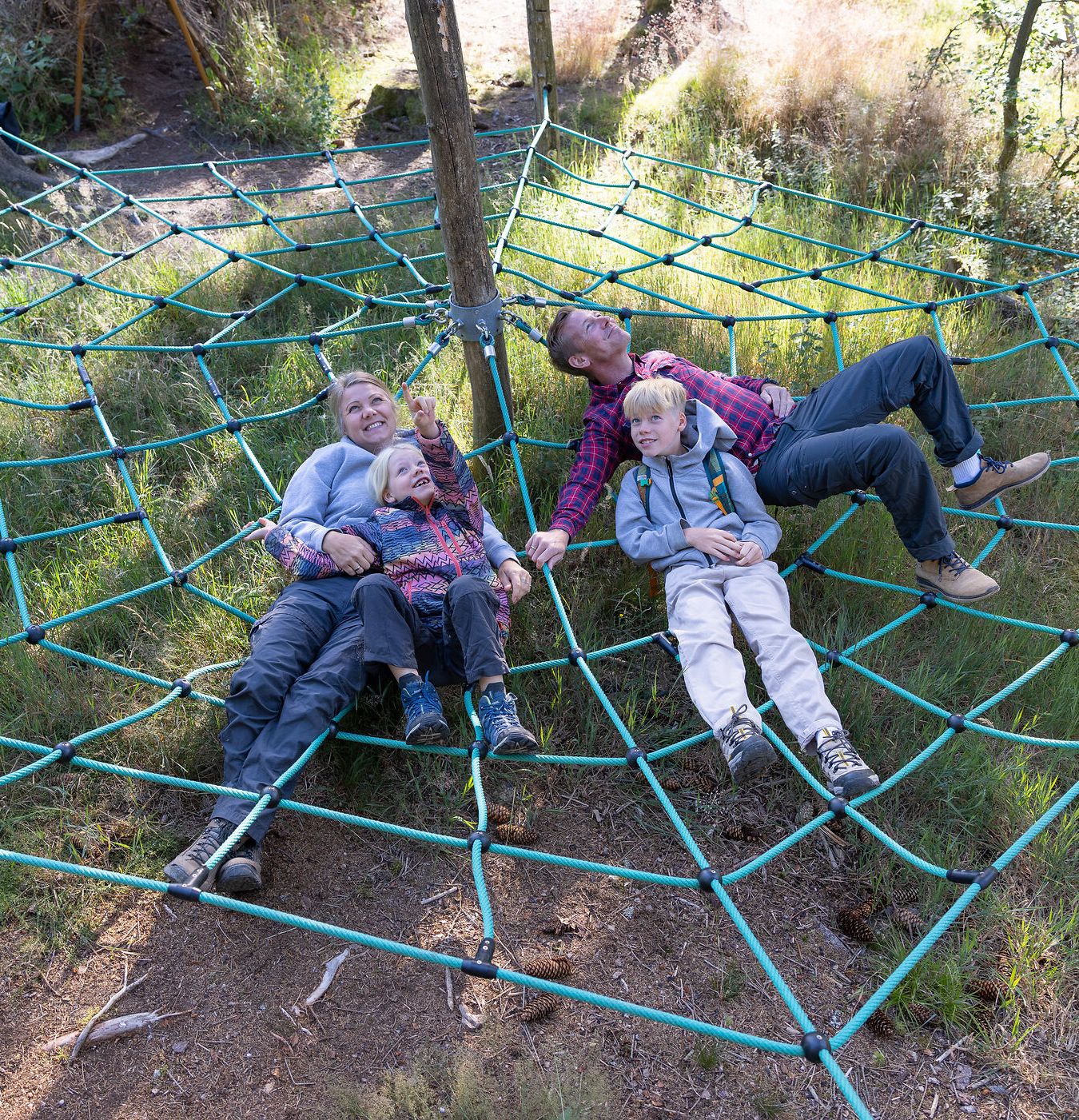
Things to See in the Rureifel
The Rureifel is full of little discoveries—often right along the way. If you keep your eyes open, you’ll find not only beautiful views but also special places to linger, marvel, and pause: a hidden forest chapel, a lovingly designed water garden, a playground surrounded by greenery, or simply a bench with a view of the vast countryside. These quiet, sometimes surprising places make every tour through the Rureifel an experience—for those seeking peace, nature lovers, and curious explorers.
Things to See in the Rureifel
29 results
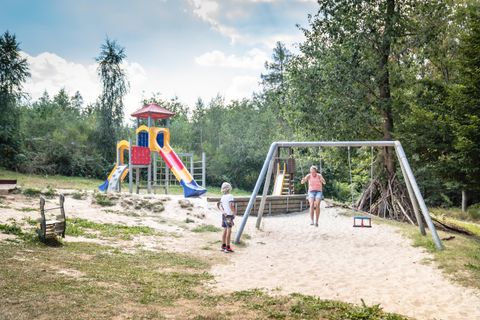
Waldspielplatz Obermaubach
KreuzauOpen today
The forest playground in Obermaubach invites young and old to take a break.Übersetzt mit DeepL Translate
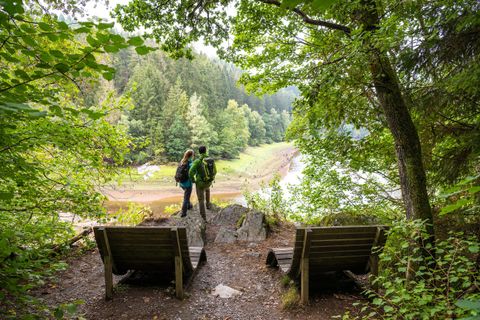
Perlenbachtalsperre
MonschauOpen today
The Perlenbach near Monschau has been dammed for drinking water supply since 1956.

Kölschkier forest adventure course
MonschauOpen today
The Kölschkier forest adventure course in the Perlenbach Valley is an adventure play-ground for real outdoor enthusiasts and an ideal day out for the whole family in the Eifel. Kids and grown-ups alike can explore the forest habitat with all their senses at the nine different stations of the course. The adventure course is a playful way to spark educational learning processes, teaching visitors how to treat the natural world.
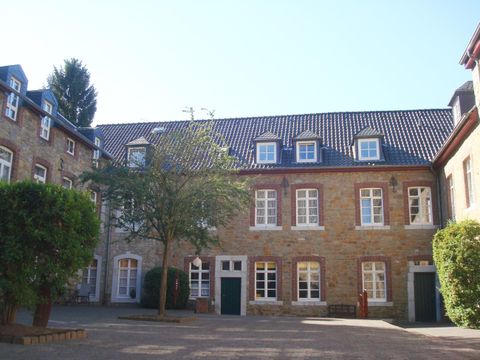
Kupferhof Sonnental
StolbergOpen today
Former copper farm situated directly on the Vichtbach stream.
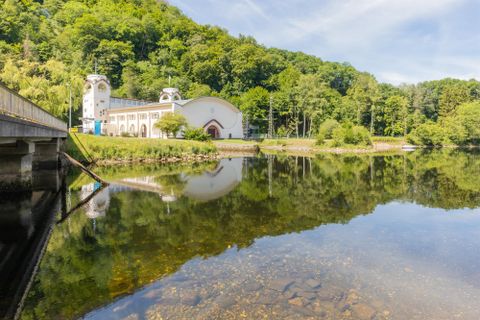
Jugendstil-Wasserkraftwerk Heimbach
HeimbachIn 1905, the hydroelectric power plant in Heimbach at the Urft dam went into operation as the largest hydroelectric power plant in the world at that time.
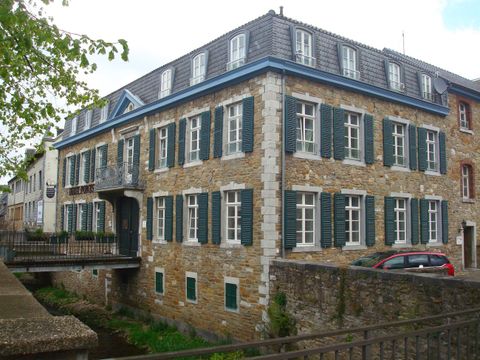
Kupferhof Schart
StolbergOpen today
The Kupferhof Schart is one of Stolberg's earlier courtyard complexes and, despite extensive reconstruction, still clearly shows its original construction.
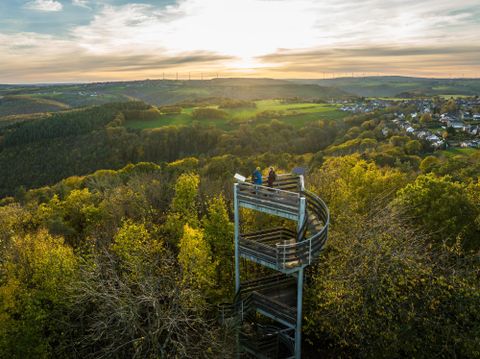
Krawutschketurm
HürtgenwaldOpen today
13-metre-high observation tower with 76 steps at the Eifel view "Burgberg".
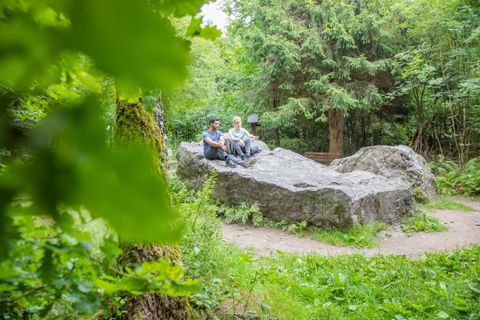
Kaiser Karls Bettstatt
MonschauOpen today
According to the legend, Emperor Charles the Great had become lost in the High Fens during a hunting excursion near his residence in Aachen and was forced to spend the night on this large quartzite rock. The rock, near the town of Mützenich, situated immediately on the German-Belgian border, is still quite commonly referred to as: Kaiser Karl’s Bettstatt.
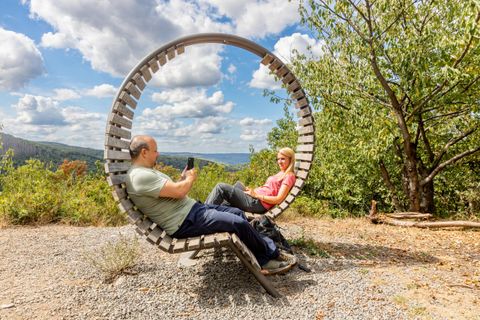
Rastplatz "Eifel-Loop"
HeimbachOpen today
Rest area on the Meuchelberg
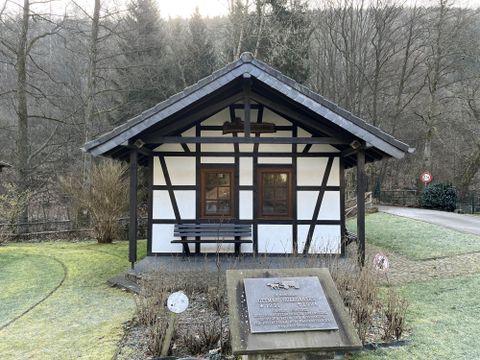
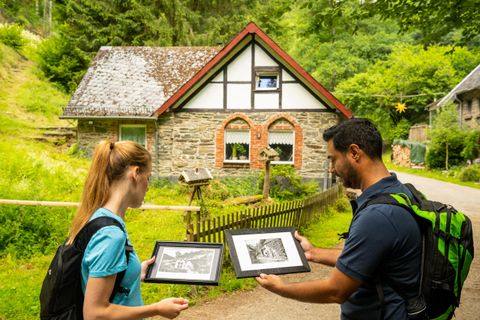
Ehemalige Ölmühle
SimmerathOpen today
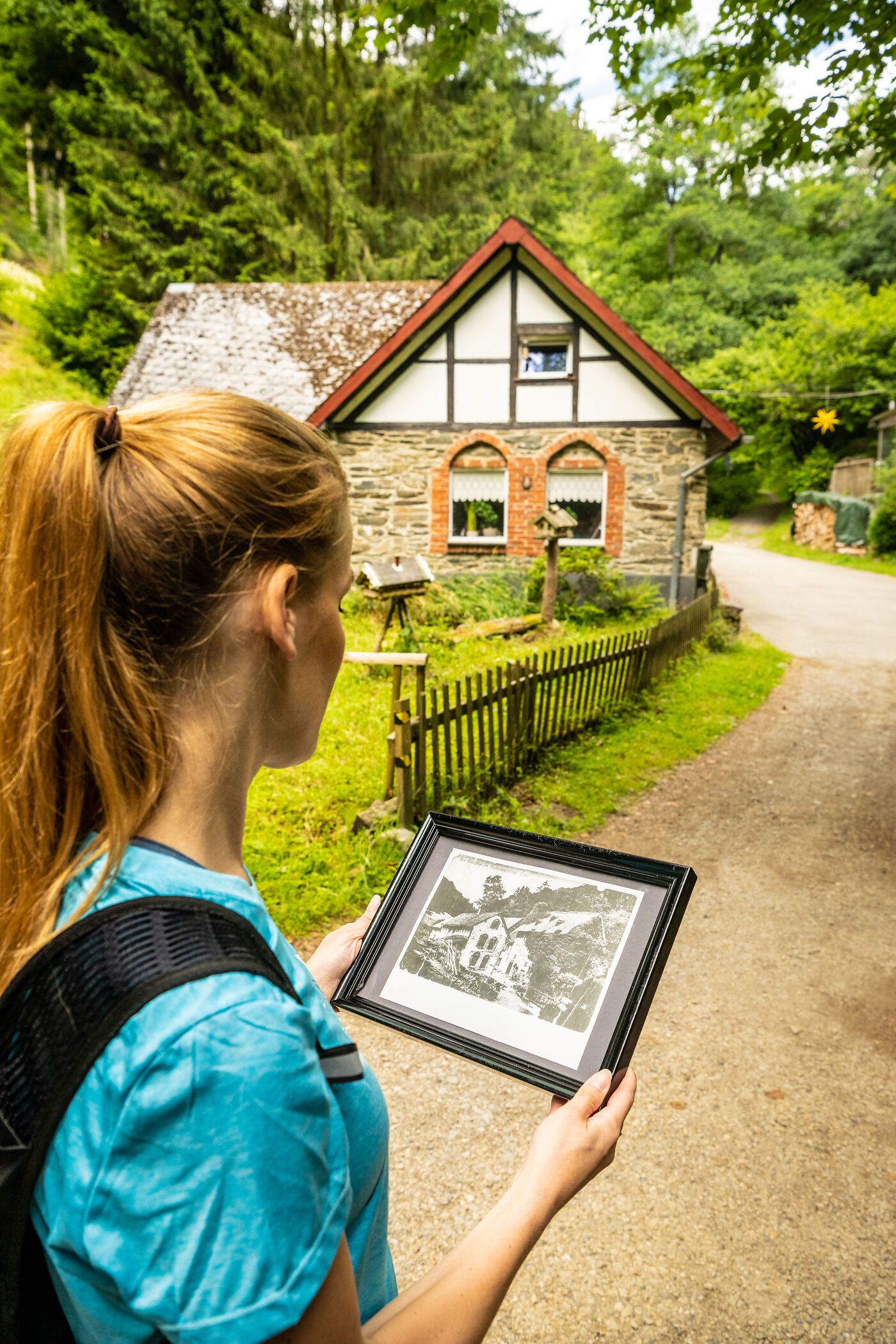
Former oil mill from the 17th century in the Tiefenbach valley
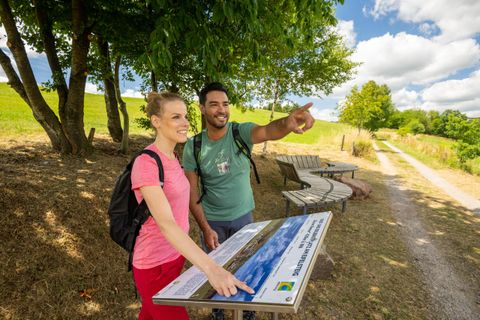
Rastplatz am Eifelsteig "Op em Demer" Dedenborn
SimmerathOpen today
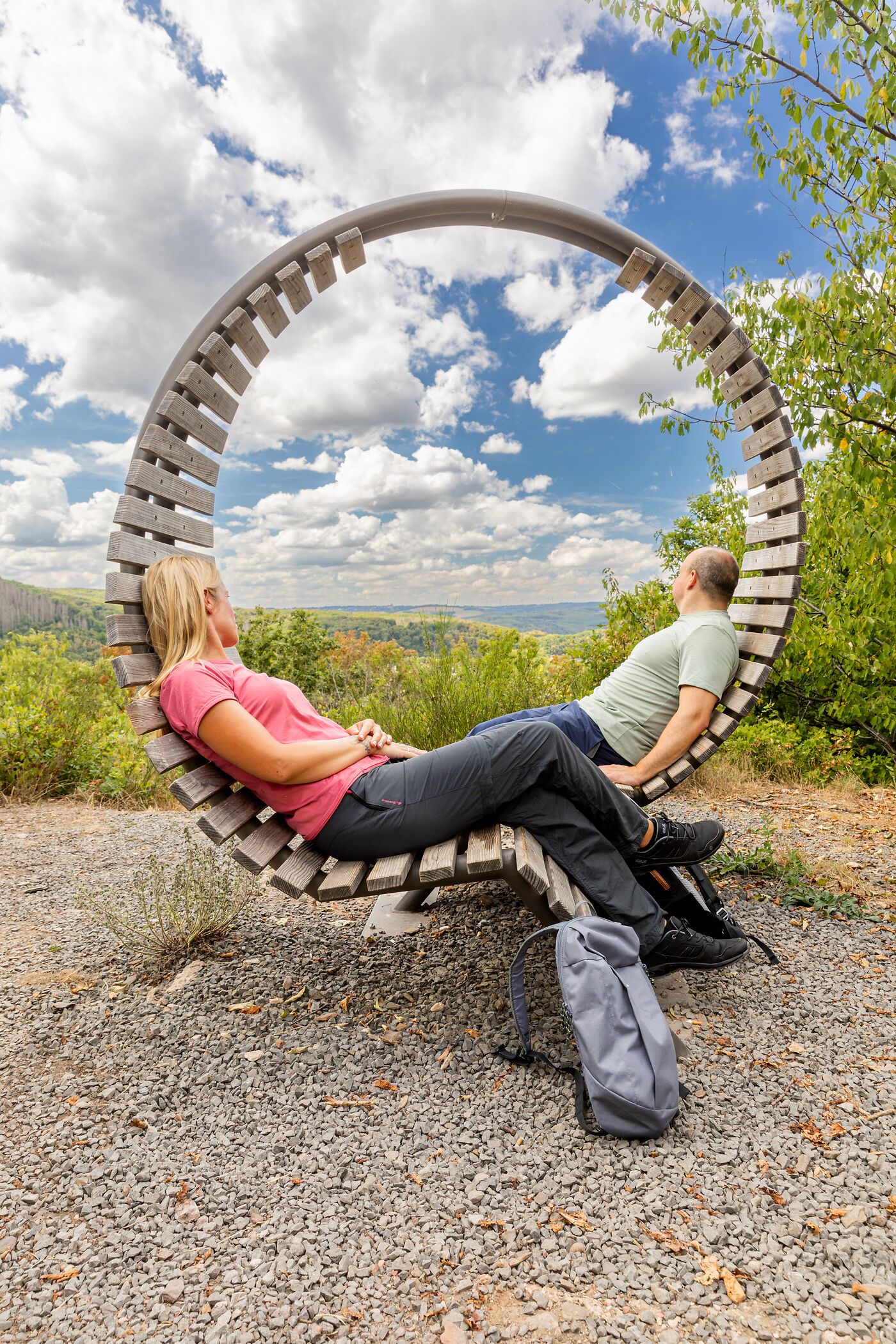
Picnic-Area on the Eifelsteig with panoramic view.
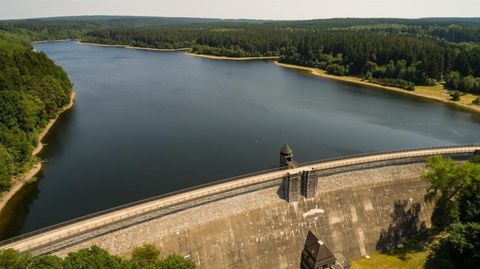
Dreilägerbachtalsperre
RoetgenOpen today
The Dreilägerbach dam, which was built between 1909 and 1911, is located between Roetgen and Rott.
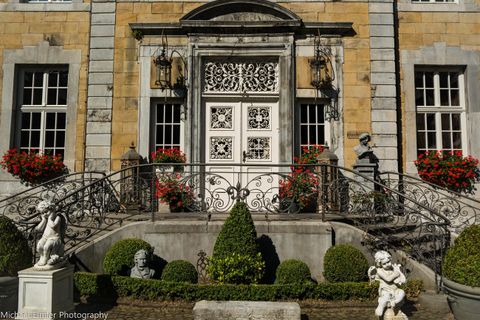
Kupferhof Rosenthal
StolbergOpen today
Perhaps the most beautiful copper courtyard in Stolberg, which has been thoroughly renovated to its former glory.
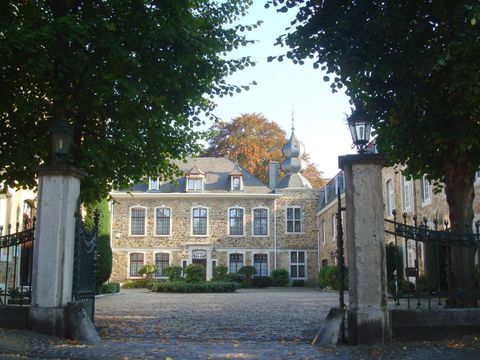
Kupferhof Grünenthal
StolbergOpen today
One of the more representative courtyard complexes, which is still well preserved and inhabited today.
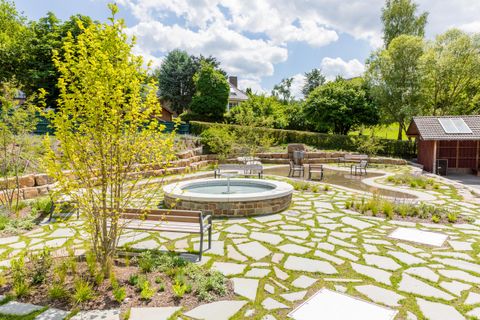
Wassergarten Einruhr
SimmerathOpen today
Water garden at the Heilsteinhaus in Einruhr.
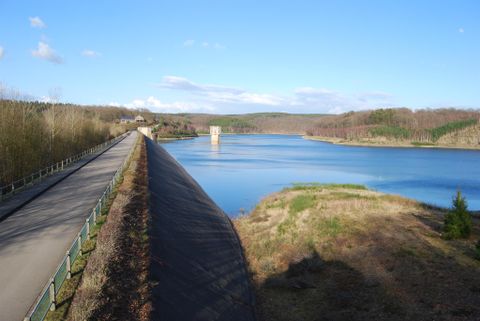
Wehebachtalsperre
StolbergOpen today
Situated in the charming valley of the Wehe and surrounded by wooded heights, the district of Schevenhütte offers every opportunity for extensive hikes and peaceful walks through the landscape characterised by forests and valley meadows.
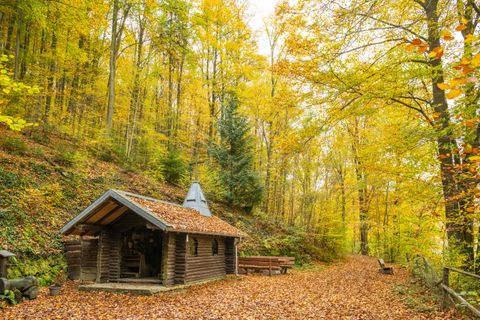
Waldkapelle Erkensruhr
SimmerathOpen today
A littel chapel in the woods of Erkensruhr.
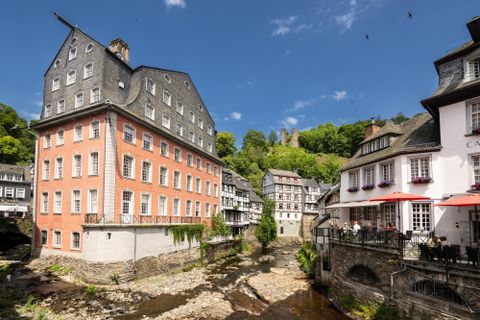
Rotes Haus
MonschauOpen today
The Red House was built around 1760 as a residential and business house by the cloth maker and businessman, Johann Heinrich Scheibler. Even today, it reflects the lustre of large-scale, upper middle-class living in a rare unity with its complete furnishings in the Rococo, Louis XVI and Empire styles.
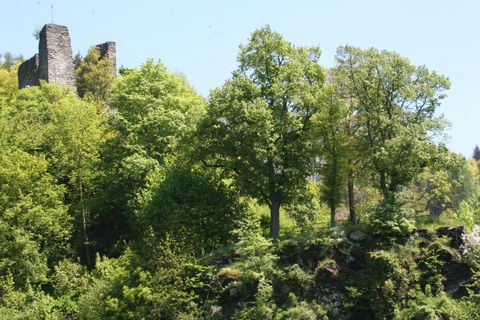
Haller Ruine
MonschauOpen today
The tower on the Rahmenberg above the market square is one of the town's most striking landmarks. The ruins can be reached in just a few minutes via a footpath over the "Half Moon", another viewpoint on the way up.
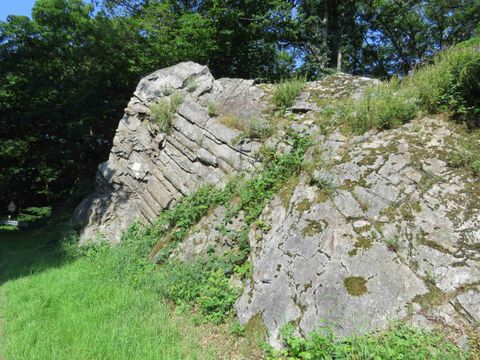
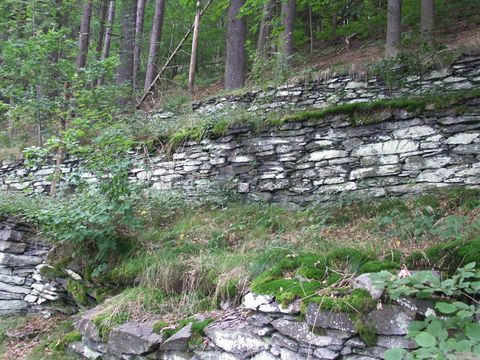
Mullion-Struktur Felsen
SimmerathOpen today
Special mullion structures in Simmerath-Dedenborn.
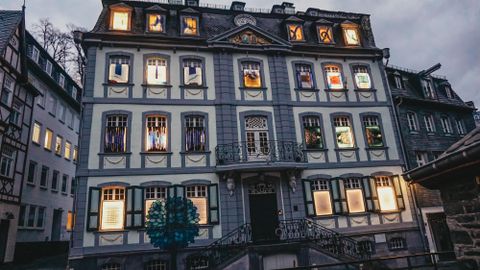
Haus Troistorff
MonschauOpen today
The Aachen master builder Couven erected the building in 1783 for the cloth manufacturer M.P.W. Troistorff, following the example of the town houses of the nobility. In keeping with the spirit of the times, the half-timbered house was plastered and decorated with ornamentation. Rich carvings on the doors with supraports and wrought ironwork on the staircase and balcony railings bear witness to the pomp and wealth of the residents.

Kreuz im Venn
MonschauOpen today
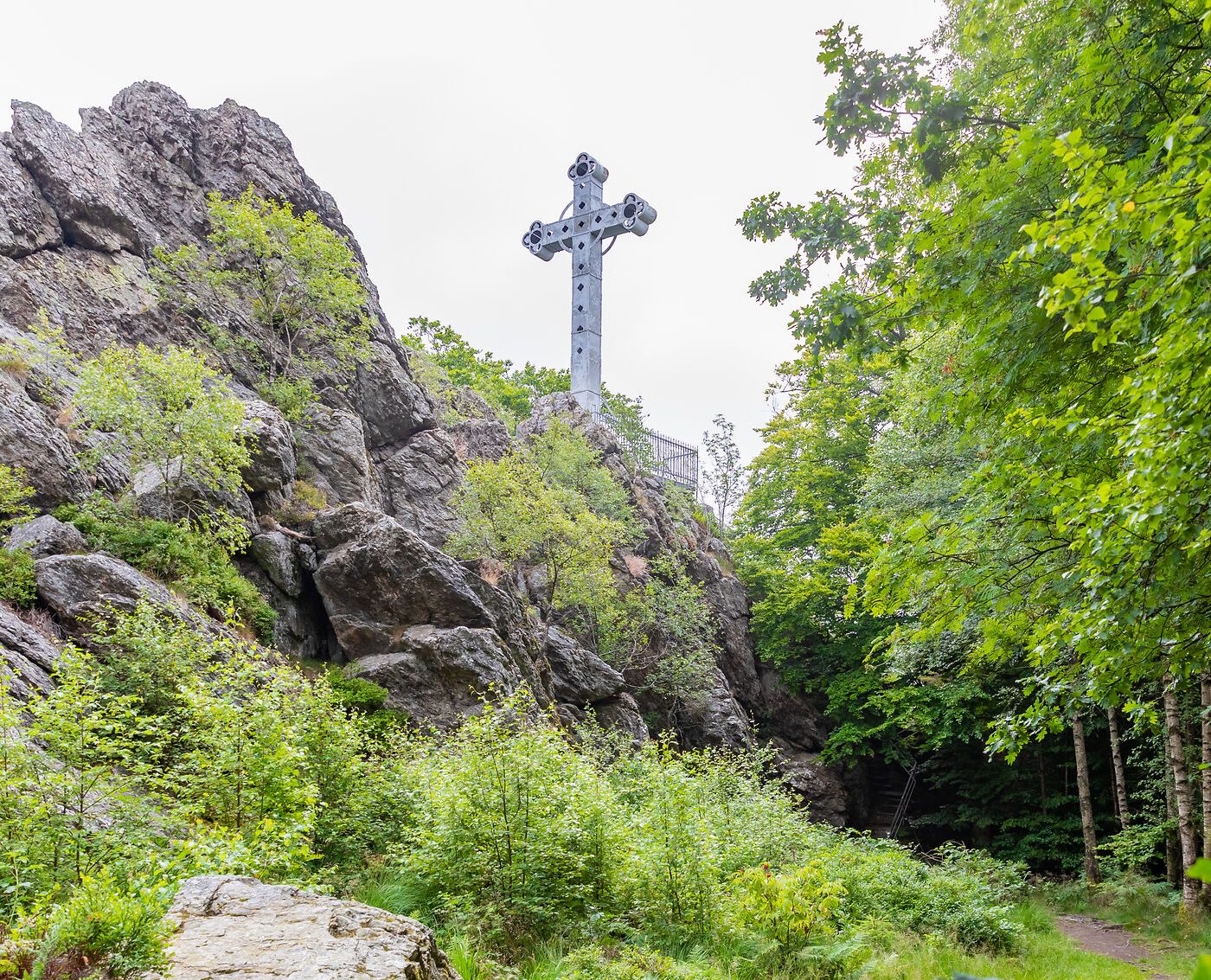
As the only conglomerate rock in the Monschauer Land, the immense, 80 metre-long Richelsley Rock lies on the edge of the High Fens. It was topped with a cross in 1890 to honour Prior Stephan Horrichem, the “Apostle of the High Fens”.
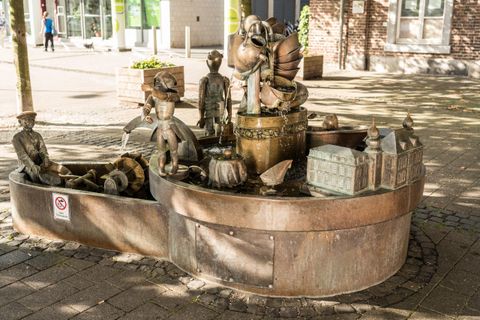
Galminusbrunnen
StolbergOpen today
The vast majority of the guided tours offered by Stolberg-Touristik start at the Galminus Fountain - and for good reason, as this fountain sculpture is located directly opposite Stolberg-Touristik and in the immediate vicinity of the charming old town.
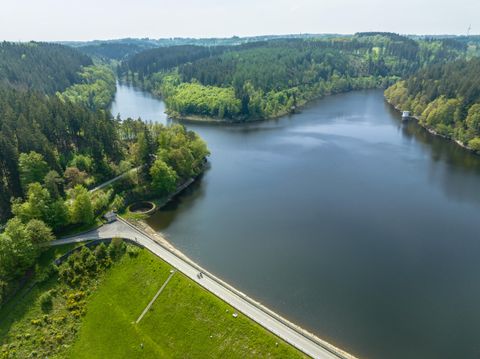
Kalltalsperre
SimmerathOpen today
The "Kalltal-dam" in the municipality of Simmerath.

Heilsteinbrunnen
SimmerathOpen today
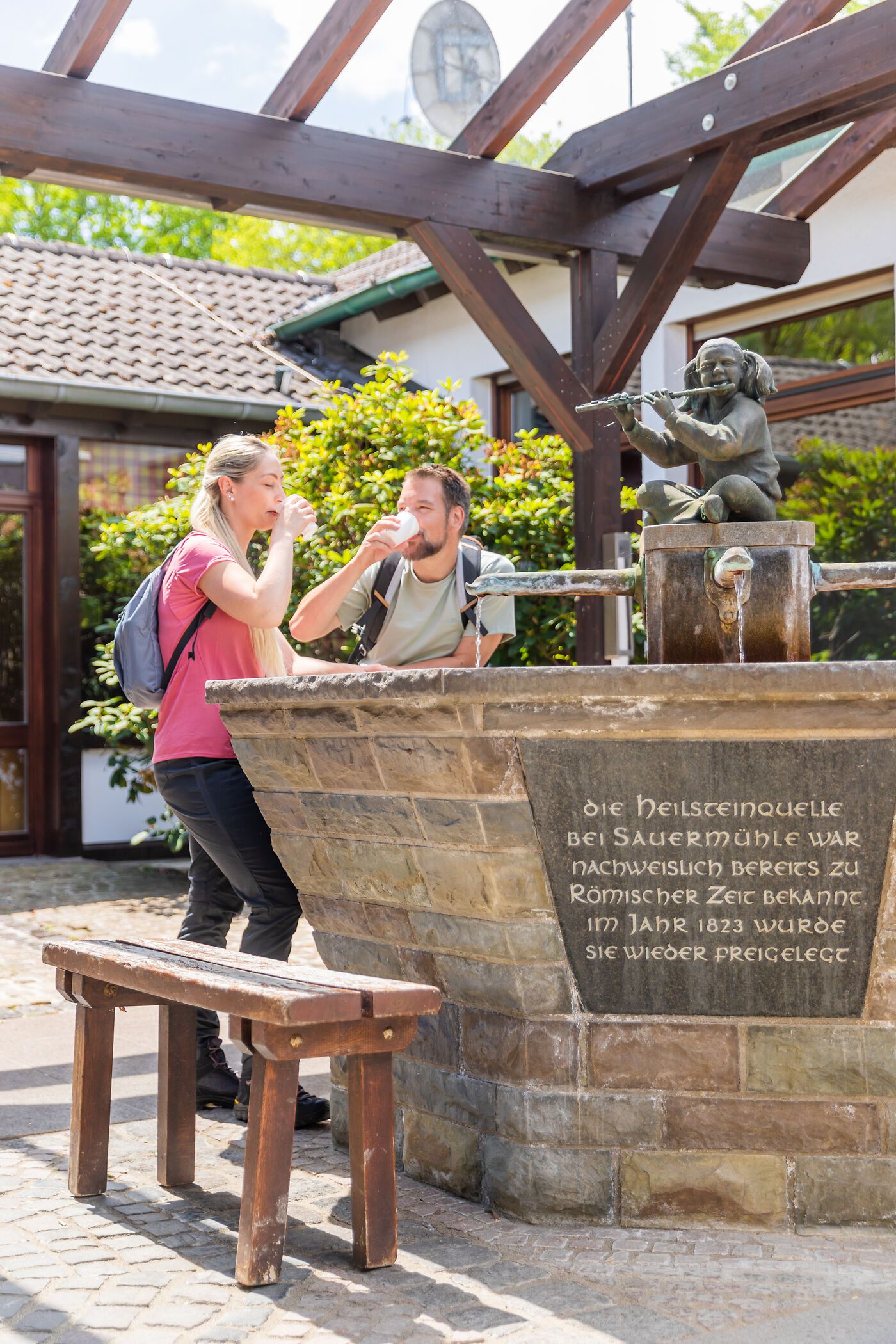
The healthy water from the fountain at the Heilsteinhaus in Einruhr is available to everyone free of charge.
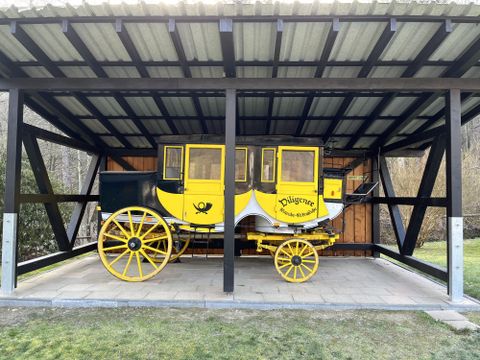
Ehemalige Postkutsche
SimmerathOpen today
Replica of an old stagecoach.
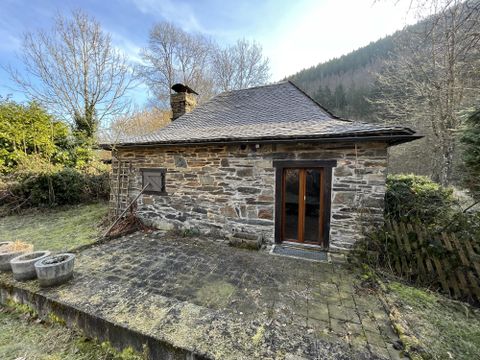
Hammerwerk
SimmerathOpen today
Former factory building of the hammer mill.