Copyright: Kupferstadt Stolberg, Tim Stroeks
Wölleklös
Stolberg
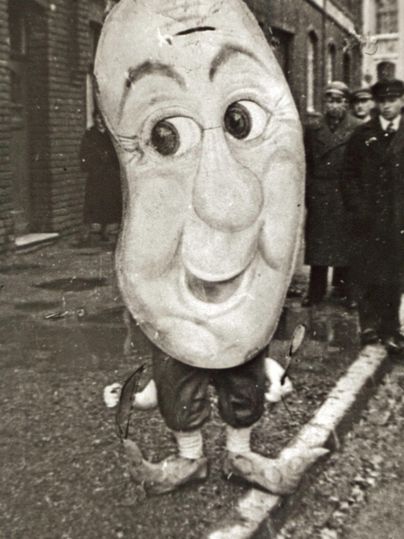
Wölleklös – Decke Bunne – Wöllebunne, who among us does not know the so-called pole beans. Since men named Nikolaus were called Klös in dialect, the local inhabitants were referred to as Musbicher Klös. The evolution of the term “Wölleklös” over the years can be easily explained with a bit of imagination.
How did the nickname of the Mausbacher "Wölleklös" come about?
Wölleklös – Decke Bunne – Wöllebunne: Who does not know the pole beans of our gardens? They climb up poles, forming long, crescent-shaped pods from which the white and colored beans, the “Wölleklös,” are harvested. The Mausbacher women have always cooked the popular dishes from these beans, especially the traditional bean soup, Wölleklöszupp.
However, the nickname of the Mausbacher has nothing to do with the beans at first. According to Pastor Arnold Ortmanns in his brochure “The History of the Parish Mausbach” it relates to the veneration of Saint Nicholas. In the Fleuther Chapel, which was demolished in 1880 and is now marked by a wayside cross, Masses were celebrated even before the construction of the Mausbach church. Old association flags from the 16th and 17th centuries displayed embroidered images of Saint Nicholas, which attests to the close connection of the place to this saint.
Since men named Nikolaus were called “Klös” in the dialect, the Mausbacher received the nickname “Musbicher Klös”. Over time, and with a bit of linguistic imagination, this evolved into “Wölleklös” – a name that symbolically unites both the holy Nikolaus and the famous pole beans. The Mausbacher have always embraced their nickname humorously, similar to those in the neighboring villages.
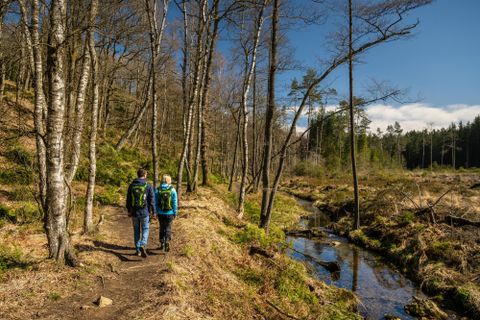
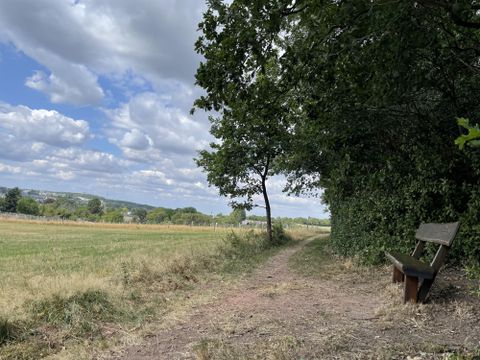
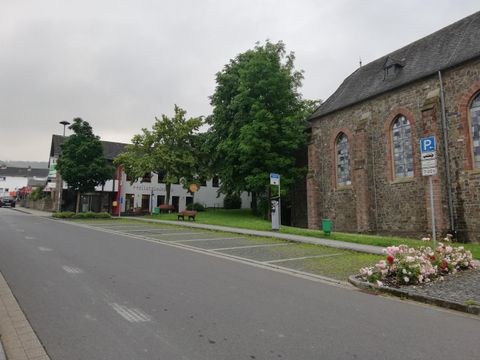
Impressions
Contact
Feierabendrunde
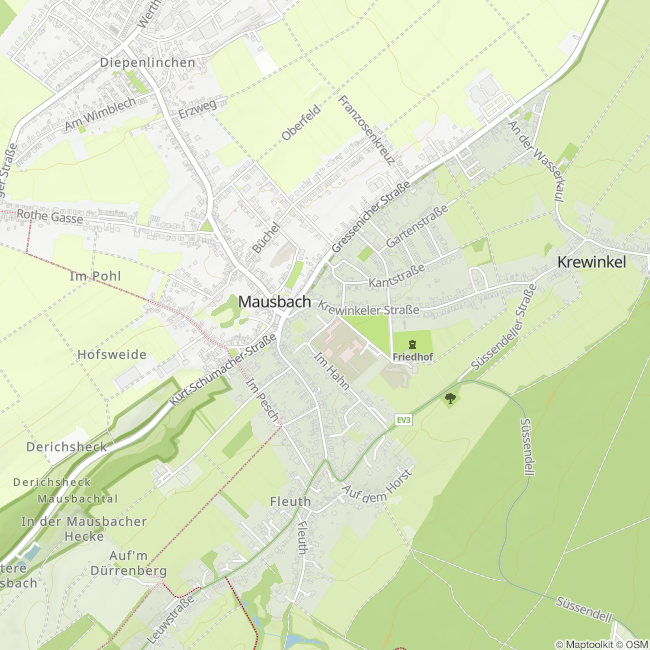
52224 Stolberg-Mausbach