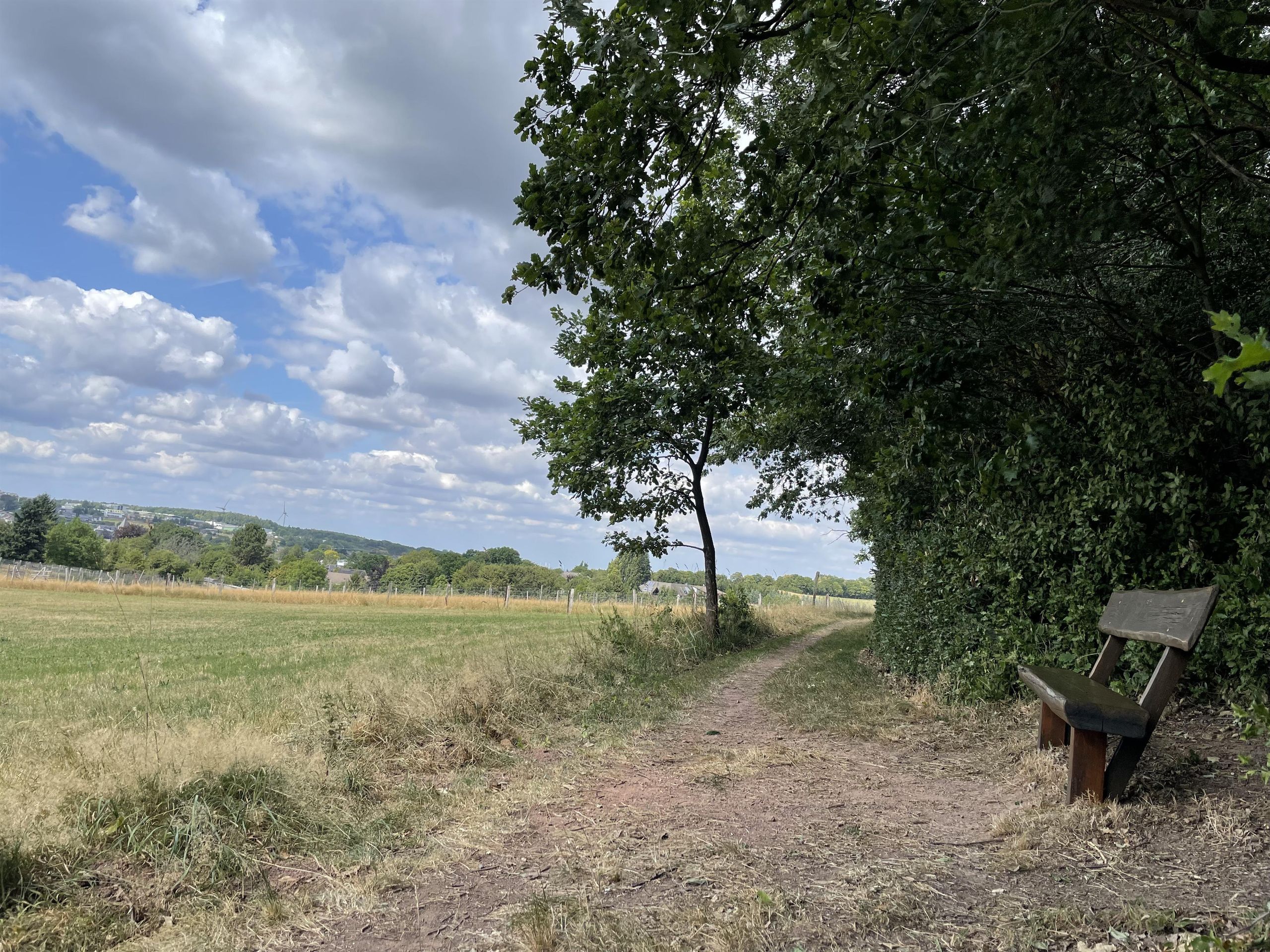
Kinderfriedhof
Stolberg
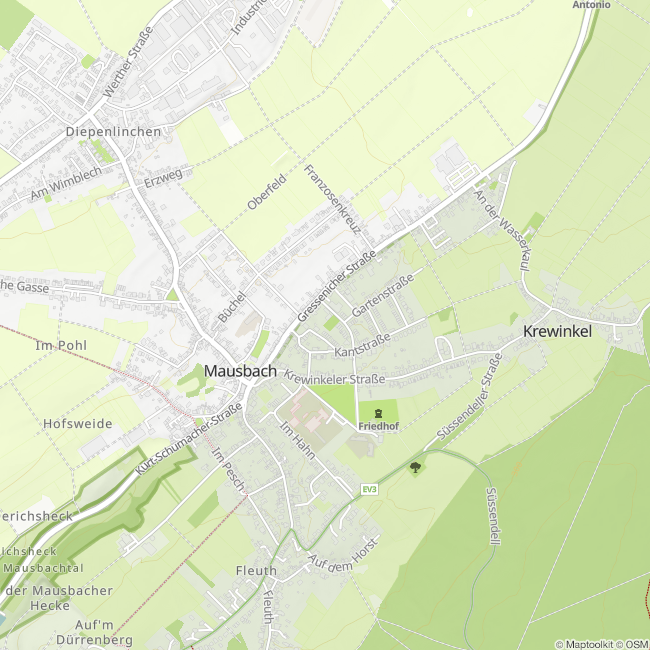
In the past, children who died before they were baptized were not allowed to be buried in a consecrated cemetery. Thus, they were buried namelessly outside the cemeteries on unconsecrated ground. Since approximately 1945, children have been buried in the new cemetery on Krewinkeler Street.
"When evening falls, the little one is dead."
The church death registers of the 19th century show a relatively high child mortality rate in Mausbach. Children often died from convulsions or – as it is commonly said – "The child has died due to malnutrition."
Church and local family records provide detailed information about the gender, age, legal status of the children, parental fertility, family size, birth order, mother's age, seasonal distribution of births and deaths, father's occupation, as well as the death or remarriage of a parent. This data allows conclusions to be drawn about the causes of child mortality.
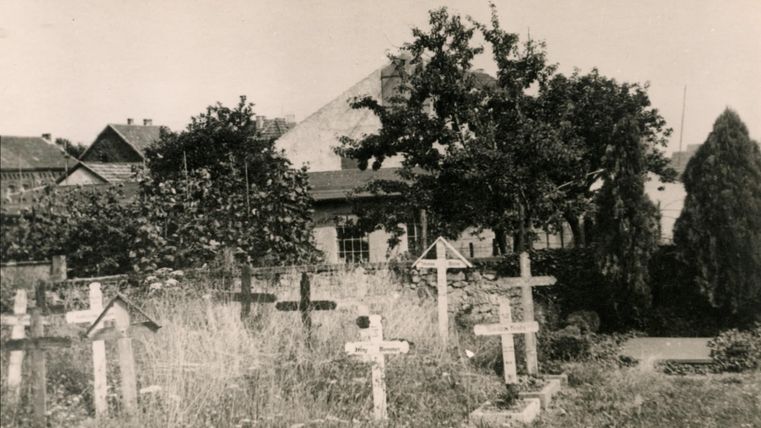
Due to the cemetery requirement, burials had to take place in cemeteries. Earth graves generally had resting periods of 20 to 30 years. For deceased children, the resting periods were shortened to avoid overcrowding. As a result, special children's sections or separate children’s cemeteries were created. In Mausbach, there was such a children's cemetery behind the house of the miners' physician Dr. med. Palm.
In the past, unbaptized children were not allowed to be buried in consecrated cemeteries and were laid to rest namelessly on unconsecrated ground. With the municipalization of cemeteries, communities received more say in the allocation.
By the end of the 19th century, infant mortality stagnated in rural areas, while it significantly decreased in cities starting around 1880. By 1910, it was around 160, by 1930 under 100, and by 1970 about 25 per 1,000 births. Contributing factors included lower birth rates, better infant nutrition, medical care, midwifery assistance, growing prosperity, breastfeeding practices, as well as social and hygiene measures.
With the establishment of the new cemetery on Krewinkeler Street, the separate children's cemetery was eliminated; children were henceforth buried there.
Impressions
Contact
Dorfhistorischer Rundweg
52224 Stolberg-Mausbach