Copyright: Jaqueline Huppertz
Der Schmuggler
Monschau
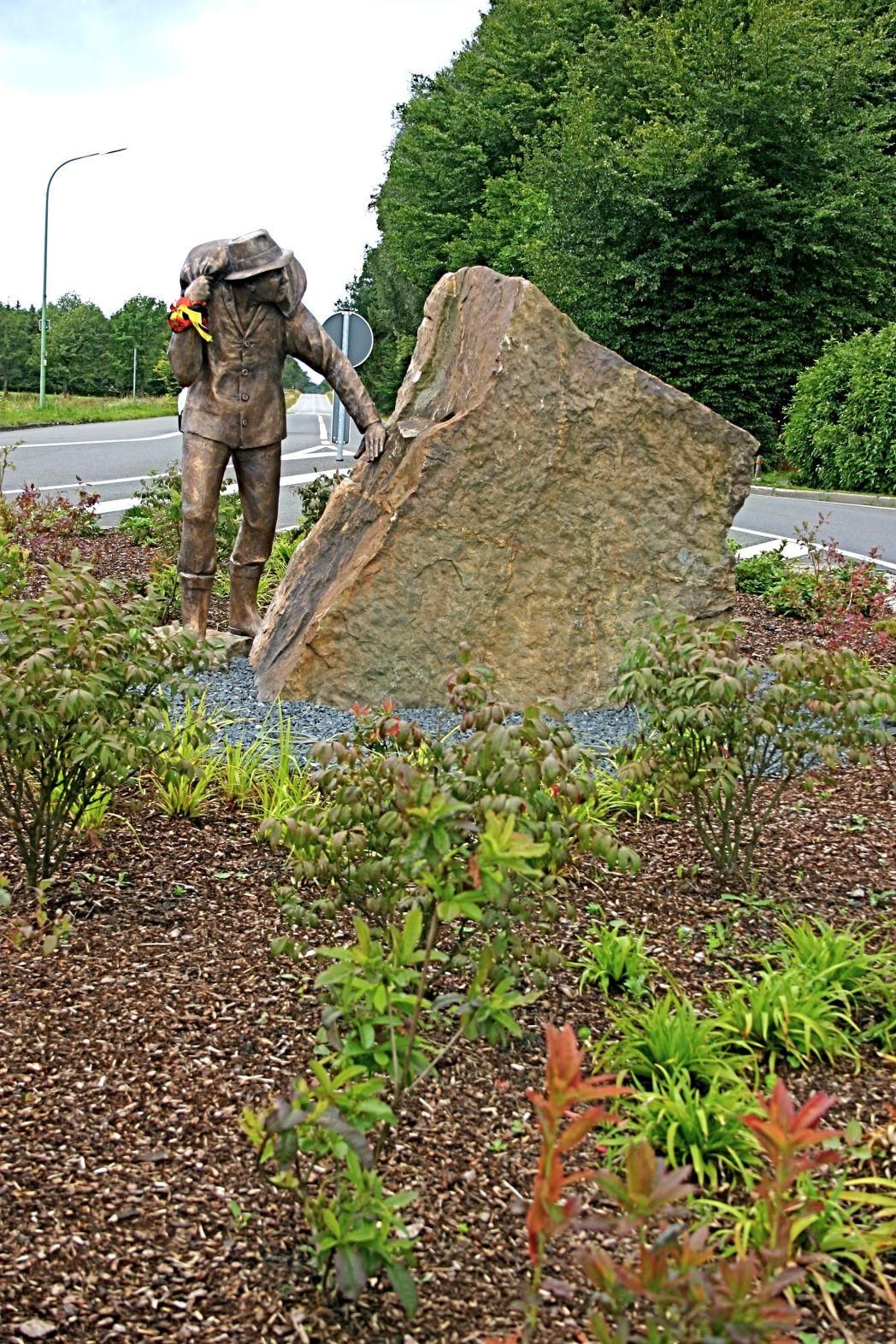
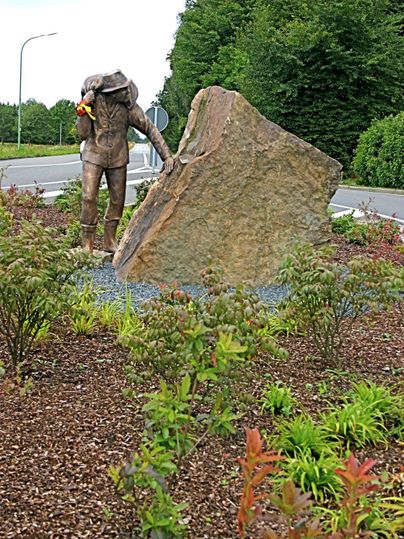
The bronze statue at the old customs office in Mützenich commemorates the post-war years of coffee smuggling in the former smuggling village of Mützenich, which looks back on an exciting and fascinating past and has some curious stories to tell. Having become a German exclave on Belgian territory after the Second World War thanks to the Vennbahn, coffee smuggling flourished in the village as it was at the center of the smuggling routes. By 1953, it was estimated that up to 1000 tons were smuggled across the border. Against this background, in 1952, for example, a total of 52 smugglers were awaiting trial in the "Klingelpütz" in Cologne, a well-known prison at the time, 45 of whom came from Mützenisch alone. However, it was a rather passive gang of smugglers, as no one was armed and in the event of a confrontation, they always fled. Pastor Scheidt, Mützenich's young Catholic pastor at the time, was also impressed by this. He visited his sheep in custody not only to give them comfort. He also gave them the advice to keep their mouths shut, "because no-one needs to tell anyone else off". One of the reasons for his tongue-in-cheek support for the smugglers' souls was that the people of Mützenich have "always thought European" due to their close ties with Belgium.
Contact
Der Schmuggler
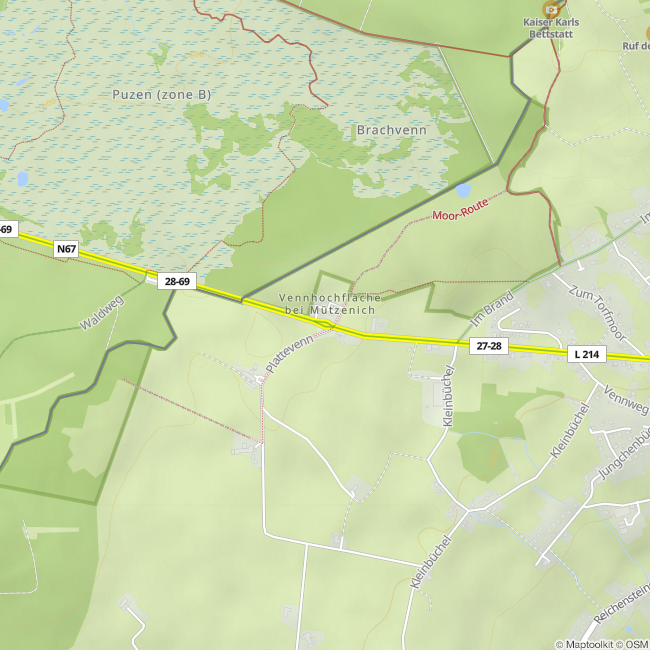
Eupenerstraße 170
52156 Monschau-Mützenich